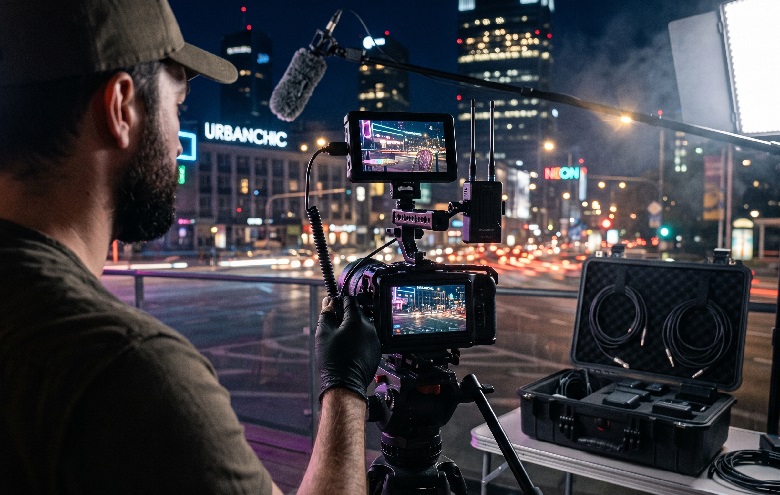
Many people assume that shooting outdoors is cheaper because the light is free. Others feel that working indoors is bound to be safer and more controlled. In reality, comparing indoor vs outdoor shooting is not that simple. Both carry costs and risks, just in different shapes.
Misjudging this at the start has an immediate effect on the schedule. The team waits on the weather, the location’s power supply causes trouble, or the ambient noise is too loud to use. These conditions also drain the crew’s energy and lower their performance, even though the role of talent is decisive for the final result. Time lost on location is almost impossible to claw back.
The choice of location should start from the needs of the story. After that, the technical challenges simply need to be anticipated. The discussion below sets out what to prepare for in each condition.
Why Indoor vs Outdoor Shooting Cannot Be Treated the Same
The fundamental difference lies in the degree of control. Indoors, almost every variable can be set by the team. Outdoors, most variables can only be worked around. The working pattern for the two conditions therefore cannot be identical.
Controlling versus working around
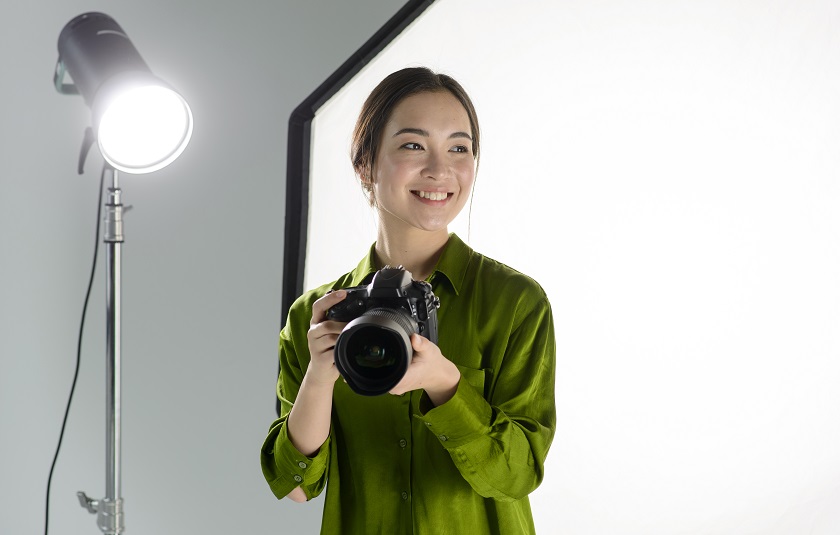
Indoor light is determined entirely by the team’s decisions. Sunlight can only be softened, bounced, or blocked. This difference in approach affects both equipment needs and crew size. The budget ends up with a different structure as well.
The Main Challenges Indoors
Enclosed spaces offer certainty, but impose real physical limits. Those limits are often only noticed once the equipment starts going up.
Room and ceiling constraints
Low ceilings restrict where lamps and boom microphones can go. Cramped rooms force the use of wide lenses that distort facial proportions. The camera-to-subject distance also determines the sense of depth. That is why a location recce is best done with a rough floor plan in hand.
Sound that bounces
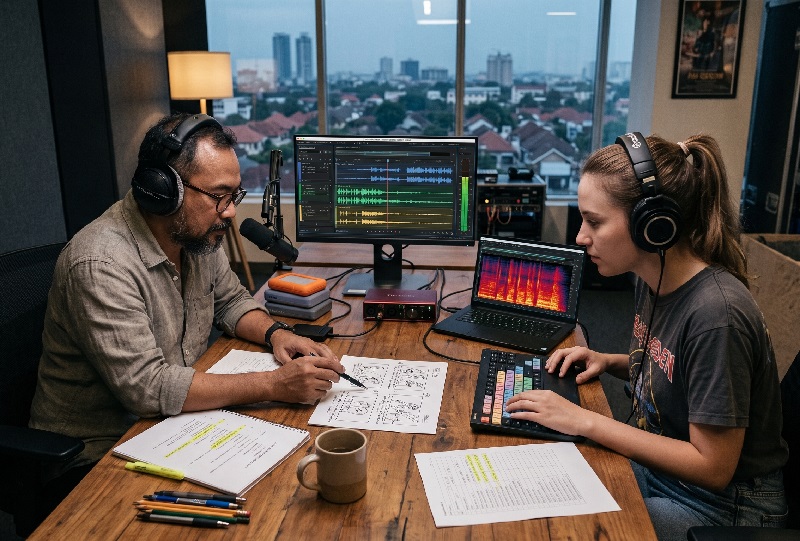
Hard walls and tiled floors create echo. Reverberant audio is difficult to repair in post-production. Air conditioners and refrigerators add background hum too. Switching those appliances off during takes is usually non-negotiable.
The location’s electrical capacity
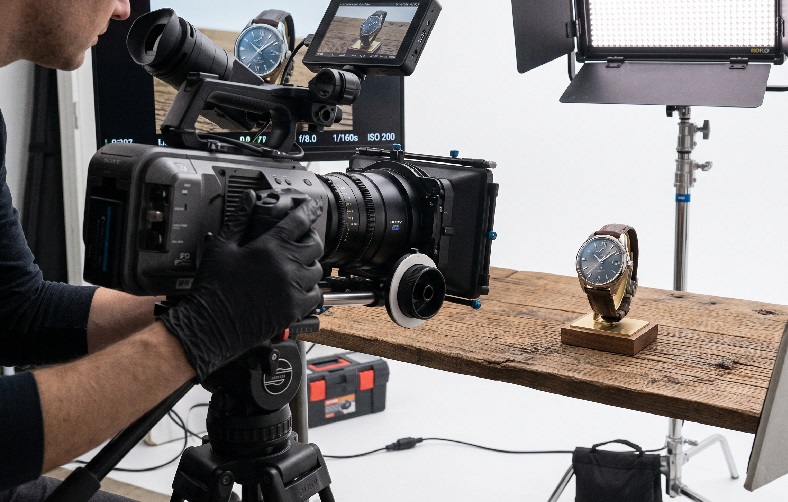
Production lighting draws a significant amount of power. Offices and homes are often not designed for that extra load. Calculating the total draw before the shoot day prevents the breaker tripping repeatedly. Preparing a backup supply remains advisable for any location you are unsure about.
The Main Challenges Outdoors
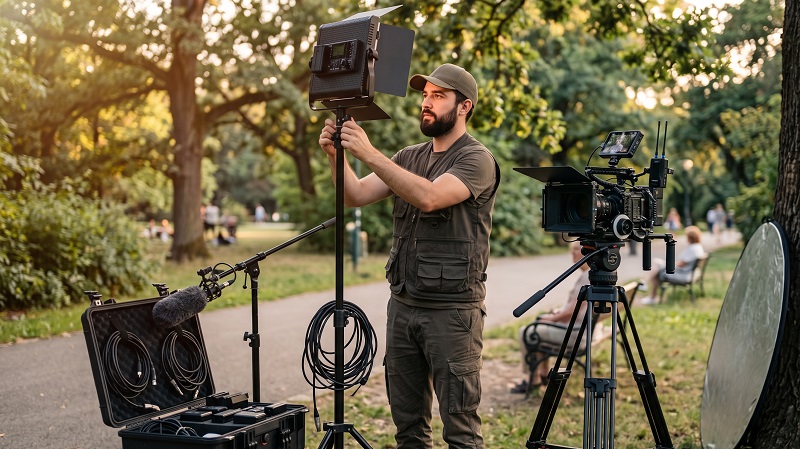
Open spaces offer scale and atmosphere that are hard to imitate. The price is an uncertainty that has to be managed from the planning stage.
A sun that keeps moving
The direction of shadows changes every hour. Scenes shot in the morning and at midday can look disconnected. That is why shot order is often arranged to follow the position of the sun. Weather forecasts from BMKG, Indonesia’s meteorology agency, are worth checking well before the shoot day.
Light that is too bright for the camera
Harsh midday sun actually complicates camera settings. The aperture has to be stopped down, which brings the background into sharp focus too. Neutral density filters are normally used to regain control. Without them, a cinematic look is hard to maintain.
Wind and ambient noise
Wind produces a rumble that ruins audio recordings. A furry microphone windshield becomes essential kit on any outdoor location. Traffic, machinery, and crowds are also hard to stop. Recording room tone separately helps the editor stitch cuts together.
Preparing for Both Conditions
The comparison below helps you build a requirements list more quickly.
Comparing the Challenges and How to Anticipate Them
| Aspect | Indoors | Outdoors |
| Light | Entirely set by the team | Softened and bounced |
| Sound | Echo and machine hum | Wind and crowds |
| Power | Limited by the installation | Needs a backup supply |
| Schedule | Relatively fixed | Follows the position of the sun |
| Permits | The venue owner is usually enough | Often needs additional permits |
What to prepare beyond the equipment
The following needs are often missing from the list:
- shade and rest areas for the talent and crew
- a contingency plan if the weather turns suddenly
- location permits along with the permitted hours of use
All three rarely make it into the initial budget, yet they are felt most sharply when ignored.
The Order of Preparation Before the Shoot Day
The following steps reduce risk on location:
- Visit the location at the same time of day as the planned shoot.
- Note the sources of disruptive noise and whether they can be switched off.
- Calculate the power requirement along with its backup source.
- Order the scenes to follow the light, not the order of the script.
- Line up an alternative location for the most vulnerable scenes.
The first step is the most decisive. Visiting a location at a different hour often gives a misleading picture. Teams working on a company profile video usually make this recce part of the contract.
Recce documentation is also worth filing properly. Photos of room corners and notes on socket positions save time during set-up. The same notes help if additional footage is needed later on.
Planning Indoor vs Outdoor Shooting from the Start
Ultimately, comparing indoor vs outdoor shooting is not about which one is better. Both serve different story needs and carry different risks. What determines the result is how early those risks are mapped out. Tidy preparation makes the shoot day feel far calmer.
Every brand has visual needs of its own. High Angle regularly helps clients choose locations based on the technical requirements and the message they want to convey. Experience delivering video advertising services in a wide range of conditions means risks can be mapped out faster.
For brand owners, a location recce with the production team is often more useful than adding an extra shoot day. Thorough planning for a company profile video or a video advertising service makes the budget work where it should.
Frequently Asked Questions
- Is shooting outdoors cheaper?
Not necessarily, because weather contingencies and backup power can add to the cost. - Why does the shot order often not follow the script?
Because the direction of sunlight changes, so takes are arranged to keep the look consistent. - What is the most common problem when shooting indoors?
Echo and electrical capacity that were never calculated before the shoot day.