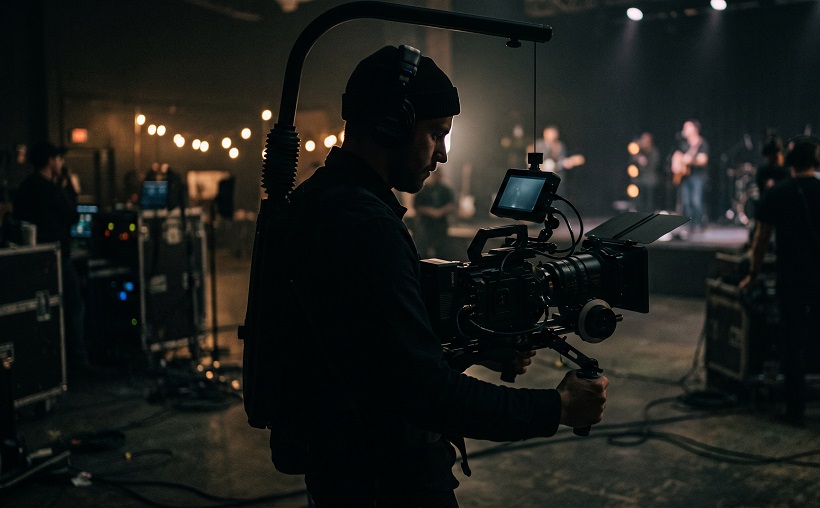
Many marketing teams have a video production process, yet the results still feel disjointed. One team completes the brief, another handles the shoot, and then editing sits waiting for incomplete files. By the time the video is finally done, the distribution schedule across platforms is thrown together in a hurry. Problems like these usually arise because the video production pipeline was never designed as one unified workflow.
When each stage runs in isolation, the impact is felt right through to the end of the campaign. Revisions pile up, production costs swell, and the release date slips from the original plan. This can be avoided by working with an end-to-end video production team. Such a team manages the workflow from day one until the video goes live.
This approach keeps every stage connected rather than running separately. Clients also never have to switch vendors at each phase of production.
Where the Video Production Pipeline Most Often Breaks Down Midway
The most common break point sits between the shoot and the edit. Raw footage is sometimes handed over without clear shot metadata. The editor ends up guessing each scene’s context, and the first cut often misses the director’s intent. This small problem is what drags out revisions as the deadline approaches.
The Weak Spot Between Shooting and Editing
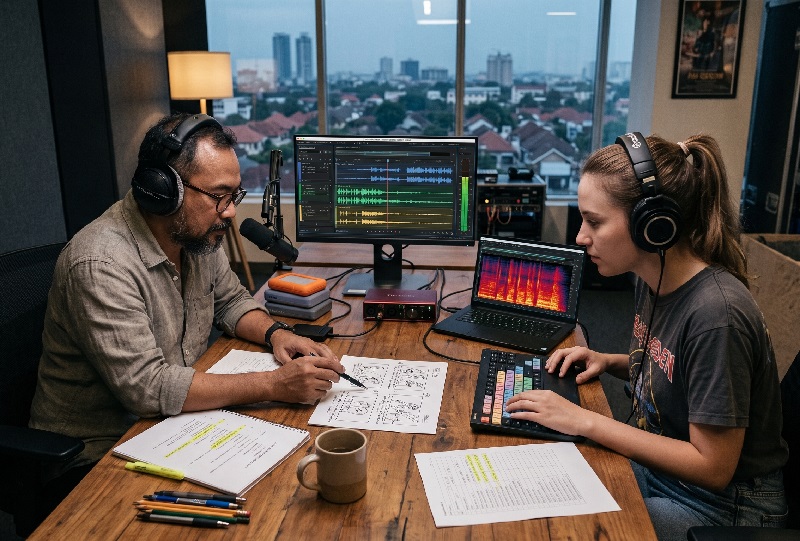
Ideally, the production crew hands the post-production team a complete shot list along with the raw files. Notes on the best takes and color references should be included from the start too. Without this documentation, much of the editing time is eaten up by back-and-forth clarification. A tidy workflow at this point determines the speed of the entire content production pipeline.
A case study from an electronics product ad shows a similar pattern. The editing team once spent two full days just sorting files with no notes on the best takes. After the file naming system and shot list were fixed, editing time on the next project fell by almost half. A small change in documentation had a major impact on the speed of the whole pipeline.
The Core Stages of a Commercial Video Production Workflow
A healthy video production workflow usually spans four major phases. Pre-production prepares the concept, research, and logistics before the camera rolls. Production captures all the visual material according to the agreed plan. Post-production and distribution then turn that raw material into a video ready to air on the right platform.
From Concept Research to Talent Readiness
The pre-production stage settles several important matters before shooting begins.
- Audience research and the primary distribution platforms for the video
- Readiness of talent, wardrobe, and the technical details of the product being filmed
Having this in place means the production team never has to make snap decisions on location. Everyone also shares the same reference point from the first briefing.
Handoffs Between Teams at Every Phase
Every phase transition should come with a clear handoff, not just a file transfer. The post-production team needs to know the message priorities before the edit begins. The distribution team needs to know which platform is the campaign’s top priority. Simple documentation at each point keeps important information from getting lost along the way.
Data Showing Why the Distribution Stage Matters in the Pipeline

The annual report from Wistia notes that more than half of companies repurpose their main videos into short clips. These clips are then spread across channels according to each audience’s habits. Most teams also adapt the aspect ratio to the destination platform rather than using one format for every channel. This confirms that distribution is not an add-on step but a core part of the video production pipeline from the start of planning.
Distribution Platforms Compared Based on Clip Repurposing Data
| Platform | Share of Teams Distributing Clips | Primary Use |
| 67% | Corporate and B2B video | |
| 49% | Visual content and product promotion | |
| YouTube | 41% | Long-form video and tutorials |
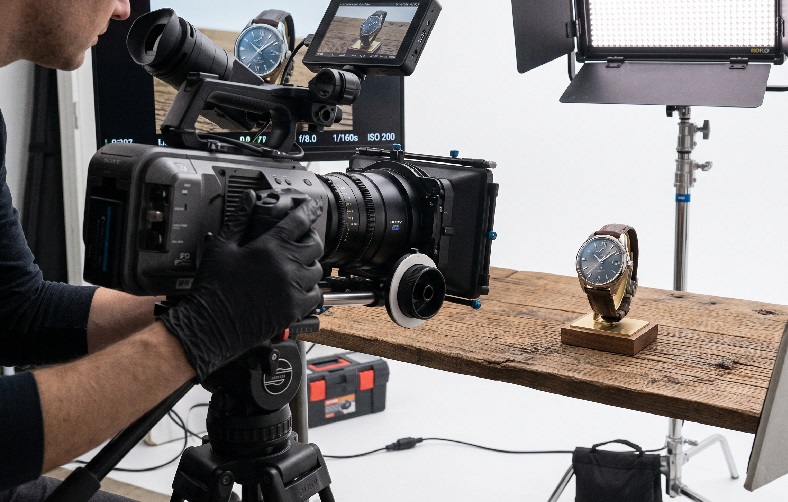
For product videos, visual quality on every platform depends heavily on shooting technique from the outset. The right product shot technique keeps product details clearly visible even when the video is re-cut for a vertical format.
How High Angle Runs the Video Production Pipeline End-to-End
High Angle designs every project as one unified workflow, not a set of disconnected tasks. This gives clients a single point of coordination from the start until the video goes live. Here are the steps typically carried out.
- Brief research and concept development with the client’s team
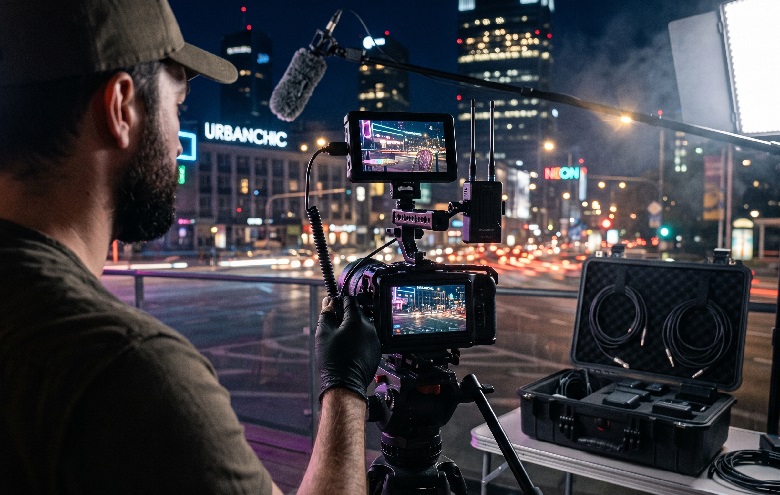
- Visual production according to the shot list and target platforms
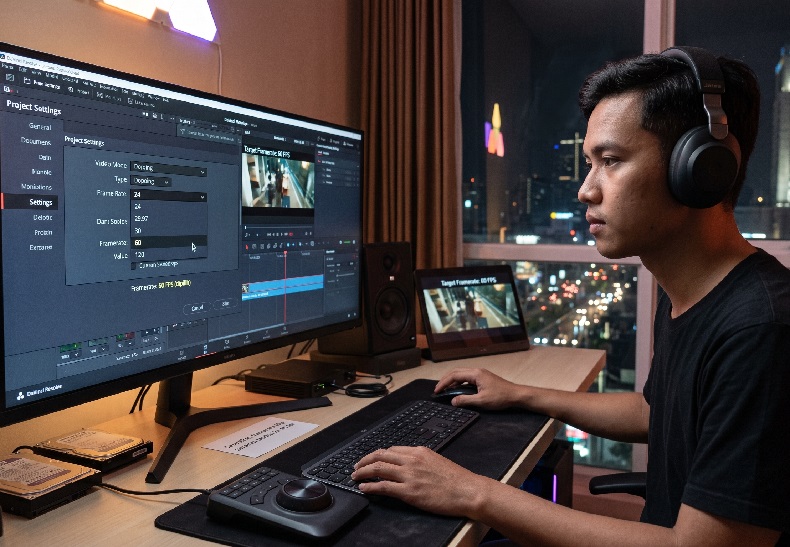
- Editing, color grading, and format adaptation
- Content distribution to the channels agreed from the outset
This workflow is widely used for cross-platform ad production, not just a single standalone video. Clients can also track progress at every stage without waiting for an end-of-project report.
Maintaining Consistent Quality from Concept to Launch
Video quality is not only about the final result on screen. How each stage connects is what determines whether the brand message stays consistent. Teams that need video ad services with a clear workflow should make sure the process is documented from the first briefing. High Angle is happy to help teams that want to streamline their production workflow from start to distribution.
If your next campaign involves multiple platforms at once, it is worth reviewing the production pipeline first. Investing in well-planned video ad services is usually cheaper than fixing a result that has already gone live. Ad production for large campaigns and small projects alike calls for an orderly workflow. Improvising on set is not a long-term solution.
Questions About the Video Production Workflow
1. What are the main stages of a video production pipeline?
The four main stages are pre-production, production, post-production, and distribution.
2. Does the distribution stage need to be planned from the start of the project?
Yes, because video formats and durations often differ across destination platforms.
3. Who usually coordinates the entire production pipeline?
A producer or project manager is usually the main point of coordination from start to finish.