Many brands jump straight into digital effects without considering what the story actually needs. Others avoid effects altogether for fear that production costs will spiral. In truth, visual effects in video are a tool, not a requirement for every production. The right decision can only be made once you understand when they are genuinely needed.
Misjudging this need can backfire in both directions. The budget balloons on effects that were never necessary, or the video looks cheap for lack of visual finesse. Before deciding on effects, foundational stages such as the role of color grading also need to be understood. The combination of the two determines whether a video feels professional or like ordinary footage.
The issue becomes more acute as deadlines tighten. Creative teams often rush to add effects for a “wow” factor without any clear narrative reason. Yet modern audiences are sharp enough to tell meaningful effects from ones merely tacked on. Getting this wrong can actually erode audience trust in the brand.
Visual Effects in Video That Production Teams Often Misunderstand
When a Video Really Does Not Need Visual Effects
Not every scene needs a digital touch to look appealing. Natural lighting and the right camera composition are often strong enough to carry the message. Adding effects to a video that is already solid can actually spoil its natural feel. This is one of the most common misconceptions in the video production industry.
Here are some situations that genuinely do not call for additional visual effects:
- Customer testimonial videos that rely on the honesty of genuine facial expressions.
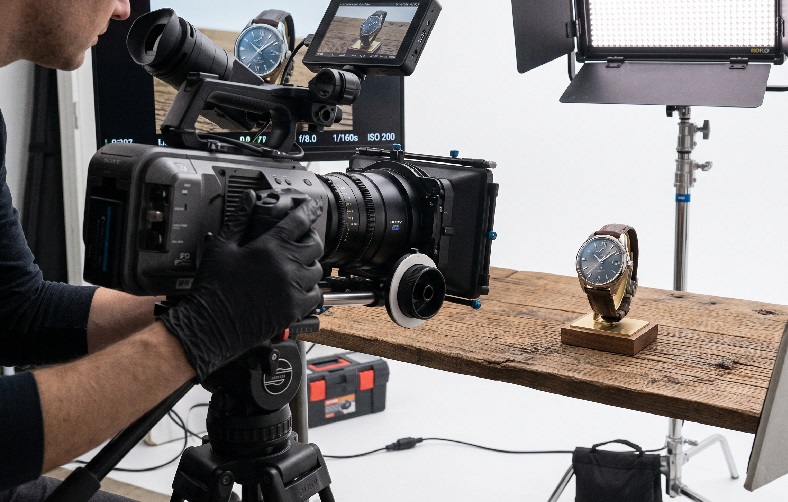
- Products whose texture and detail are more convincing without excessive digital polish.
Recognizing these situations helps the team save production time. The remaining budget can be redirected to strengthen other aspects, such as storytelling or color grading. This kind of efficiency is often missed by teams too focused on technology.
Unfortunately, viral visual trends sometimes tempt teams to pile on effects without proper evaluation. Yet every scene has different visual needs depending on its message and target audience. Evaluating what the story needs first matters far more than chasing the trend of the moment.
Field Evidence: When a Production Needs CGI or Digital Effects

Comparing Live-Action Production and CGI-Based Animation
In certain situations, digital effects are actually the most efficient solution. A study in the animation journal Anima Rupa compared the production of a live-action commercial with one based on CGI animation. Live-action production demanded a long, complicated search for locations and crew. The CGI approach let the team build the required locations themselves without any field shooting.
These findings show that visual effects in video are most relevant under specific conditions. Here are the practical considerations production teams weigh before deciding to use digital effects:
- Check whether the required location or scene is impossible to capture in camera.
- Calculate the cost difference between shooting on a real location and creating the effect digitally.
- Assess whether the brand message requires visuals that an ordinary camera cannot achieve.
- Determine how much production time is available before the ad’s publication deadline.
These four considerations help the team avoid hasty decisions. Digital effects used with precision actually improve efficiency rather than adding to the production burden. Conversely, effects forced in without a clear reason simply drain the budget.
Types of Visual Effects Commonly Used in Digital Content Production
Once the need for effects is confirmed, the next step is choosing the right type. Each has a different function and level of production complexity. Here are the effects most frequently used in today’s digital content production.
Types of Visual Effects Compared: Their Functions in Production
| Type of Effect | Primary Function | When to Use It |
| Green screen compositing | Replaces the background without shooting on location | Locations that are expensive or hard to reach |
| Motion graphics | Presents data or text dynamically | Information- and statistics-driven ads |
| CGI objects | Displays virtual products or objects | Products not yet physically available |
| Digital color effects | Instantly intensifies the visual mood | A finishing touch after color grading |
The table above shows that each effect serves a specific purpose, not mere decoration. An experienced ad production team chooses effects based on what the story needs, not trends alone. This approach keeps the final video focused and free of excess.
Defining Your Ad Production Needs with the Right Team
Deciding whether to use visual effects is not simply a matter of taste. It takes a team that understands when visual effects in video genuinely add value. High Angle routinely helps clients weigh this need from the earliest concept stage. This approach ensures every effect used has a clear reason behind it.
Whether you are an in-house team new to video production or a practitioner specializing in visual effects, these fundamentals matter. Discuss your project’s needs early so that any effects used truly hit the mark.
For those just starting to explore the technical side of video production, understanding the camera’s limits is a good starting point. Try watching your favorite video ads and guessing which parts were captured purely in camera. This simple exercise trains your eye to recognize when digital effects genuinely play a role in a scene.
Practical Questions About the Need for Visual Effects
- Do all video ads need visual effects?
No. Visual effects are only necessary when they support a message that an ordinary camera cannot deliver. - How long does creating visual effects usually take?
It depends on the complexity, ranging from a few days to several weeks. - Do visual effects always add to production costs?
They can also save money when they replace the need for an expensive location shoot.