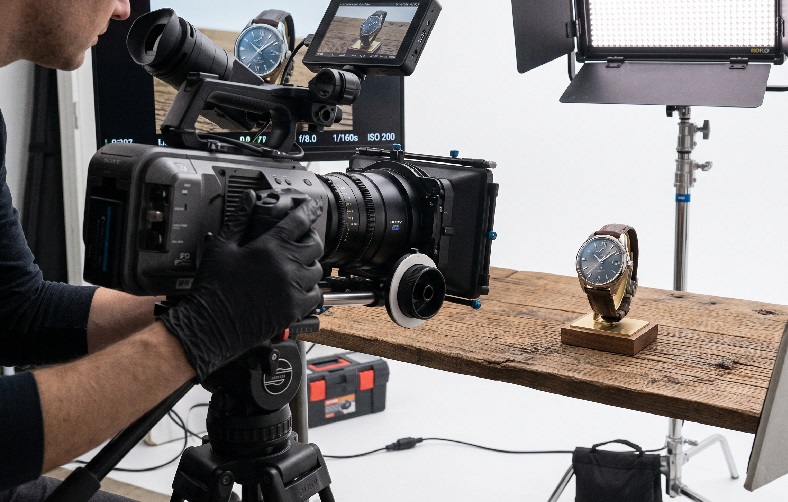
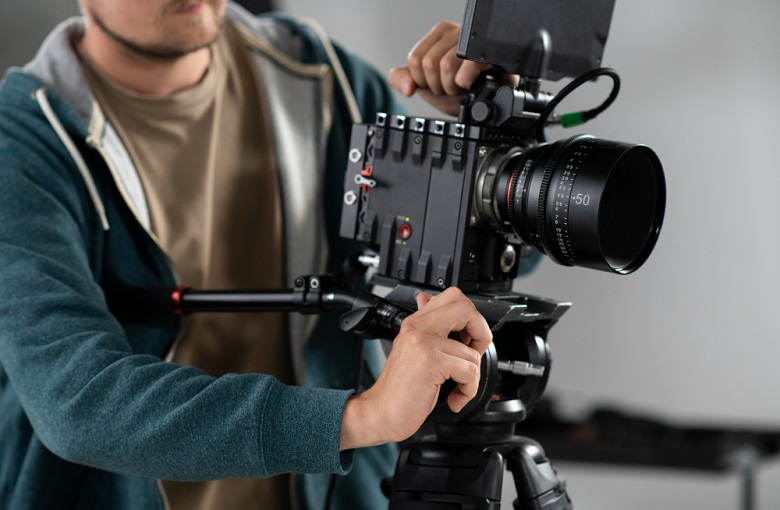
Many brands spend big on video ad production, yet the result still feels flat. Viewers scroll past within seconds even though the visuals are carefully polished. The problem often comes down to frame composition in cinematography that was neglected from the start. Careless framing means the brand message fails to land, even on a budget that was far from cheap.
As a result, an expensive commercial is ignored within the first few seconds. Engagement is low, the budget is wasted, and the brand awareness everyone hoped for never materializes. The solution starts with understanding the right shooting techniques before the cameras roll. This foundation determines whether the visuals can hold the audience’s attention longer.
The issue is even more pressing in the fast-paced era of short-form content. Viewers judge a brand’s quality from the first few seconds alone. If the opening frame looks messy, trust in the brand drops instantly. This is why investing in visual composition is worth as much as the production cost itself.
Frame Composition in Cinematography That Brands Often Overlook
Frame Composition Mistakes That Make a Video Look Amateur
Many production teams rush into shooting without discussing framing first. Yet where the subject sits within the frame strongly influences how viewers receive the brand message. Small errors such as excessive headroom or a tilted horizon can ruin the professional impression. Details like these are often missed despite being crucial to the video’s final quality.
The most common framing mistakes on set include:
- Placing the main subject dead center in the frame without considering visual breathing room.
- A cluttered background that pulls the viewer’s focus away from the ad’s core message.
These mistakes seem minor before editing begins. But once the video goes live, viewers immediately sense something is off, even if they cannot explain it. Sloppy framing makes a brand look less serious to prospective customers.
This problem usually arises because the production team is too focused on the story. Technical visual aspects are treated as an afterthought to be fixed in editing. In reality, framing errors made during the shoot are almost impossible to fully correct in post-production. That is why the composition discussion should be settled before the camera is switched on.
Promotional Video with Clean Cinematography Drives Sales
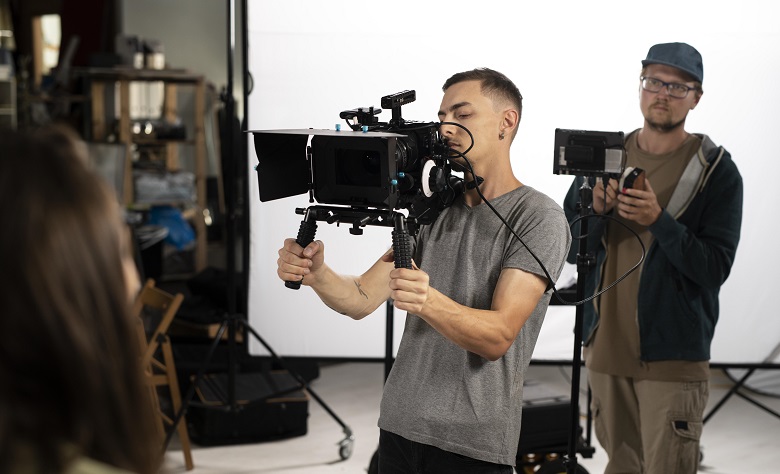
Case Study: A Short-Form Promotional Video
This claim is not just theory without proof. A study on applying cinematography techniques to a barbershop’s promotional video offers a concrete example. The one-and-a-half-minute video used rule-of-thirds composition, deliberate camera angles, and well-planned lighting. Respondents rated the video very positively, and the business’s sales rose along with it.
These findings confirm that frame composition in cinematography is more than visual decoration. Here are the steps professional production teams typically follow when designing composition for commercial ads:
- Define the visual tone and framing references before the shooting location is chosen.
- Build a storyboard with clear subject placement for every scene.
- Apply the rule of thirds or symmetry according to the needs of the brand story.
- Carry out color grading and a composition review before the video is published.
These four steps look technical, but their impact shows directly in the final result. A video with well-considered framing tends to be watched longer than one shot haphazardly. That longer retention is ultimately what drives sales conversions.
Composition Elements Every Creative Team Must Master
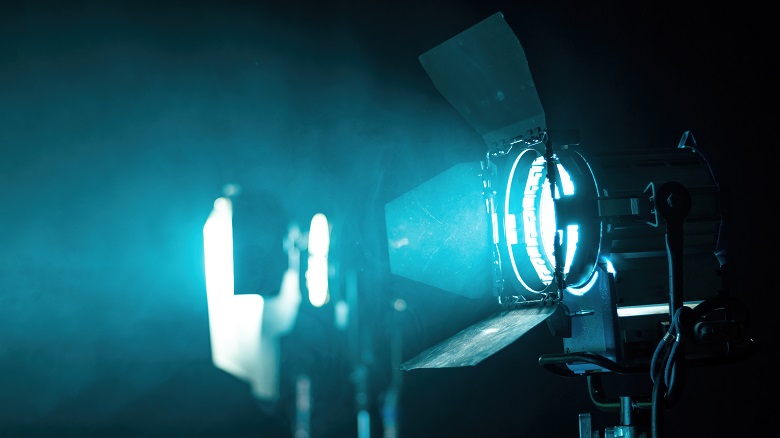
Good composition involves several elements working together rather than in isolation. Professional creative teams account for them from the concept planning stage. Here are the elements that most influence the final look of a scene.
Composition Elements Compared: Their Impact on the Visuals
| Composition Element | Primary Function | Impact on the Visuals |
| Rule of thirds | Places the subject at natural focal points | Visuals feel balanced and pleasing to the eye |
| Leading lines | Guide the viewer’s eye to the main subject | The story’s focus comes across more clearly |
| Headroom | Controls the space above the subject’s head | The subject never looks cramped or cut off |
| Depth of field | Separates the subject from the background | The viewer’s attention is more focused |
The table above shows that each element plays a different role within a single scene. An experienced production house in Indonesia typically has a thorough command of how they work in combination. This technical mastery is what separates amateur footage from a video that is truly ready to air.
Choosing the Right Production House in Indonesia for Your Ads
Creating a compelling video ad is not just about expensive cameras or exotic locations. It takes a team that understands frame composition in cinematography from concept to final cut. High Angle routinely works with clients to design visuals aligned with the brand’s communication goals. This approach gives every frame a purpose, rather than simply looking good on screen.
Whether you are learning the basics of cinematography or preparing a video for a major campaign, composition remains the core foundation. Discuss your visual concept early so the final result communicates your brand message effectively.
For organizations whose teams are still learning video production fundamentals, understanding composition early will save a great deal of revision time. A simple exercise such as studying the framing in proven, effective ads is a good starting point. The more often the team practices reading composition, the faster its visual instincts develop.
Questions About Frame Composition in Cinematography
- What is the difference between the rule of thirds and symmetrical composition?
The rule of thirds emphasizes dynamism, while symmetry conveys a formal, stable impression. - How much time is ideal for planning composition before a shoot?
Typically one to three days, depending on the complexity of the ad concept. - Does good framing require expensive camera equipment?
Not necessarily. Framing depends far more on understanding composition than on the price of the gear.