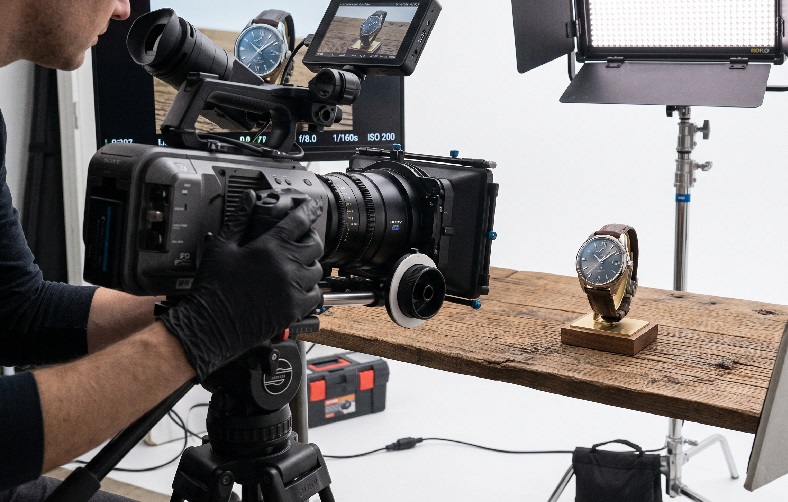
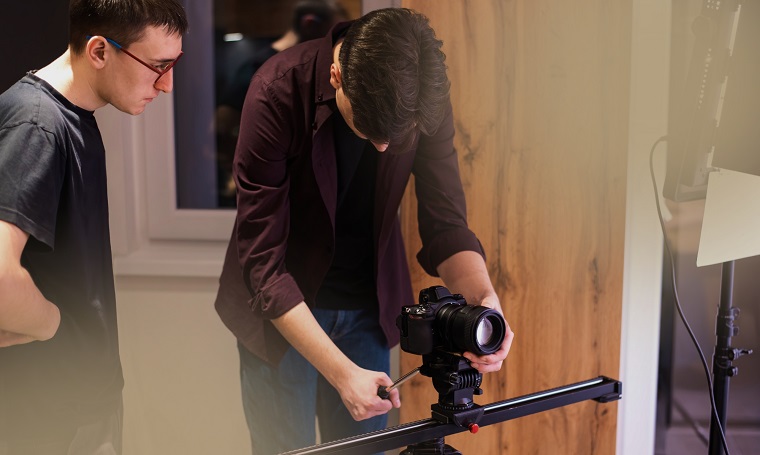
Video has become one of the most powerful media for delivering a message. Beyond showing moving images, video can build emotion, strengthen brand identity, and tell a story in a deeper way. To create work that truly moves an audience, an understanding of video shooting techniques is essential. Footage captured with careful planning feels more natural, connects with viewers, and leaves a lasting impression.
Why Variety Matters in Video Shooting Techniques
A good video does not depend on the story alone, but also on how the images are captured. Varying camera angles, movement, and composition can add layers of meaning to the message you want to convey. By mastering video shooting techniques, you can make your storytelling more vivid and engaging. A close-up, for example, can emphasize emotional expression, while a long shot reveals a wider setting that reinforces the story’s backdrop.
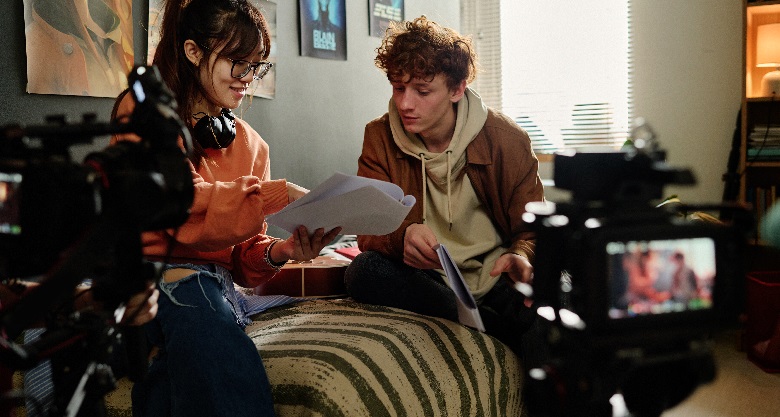
Lighting as the Mood Setter
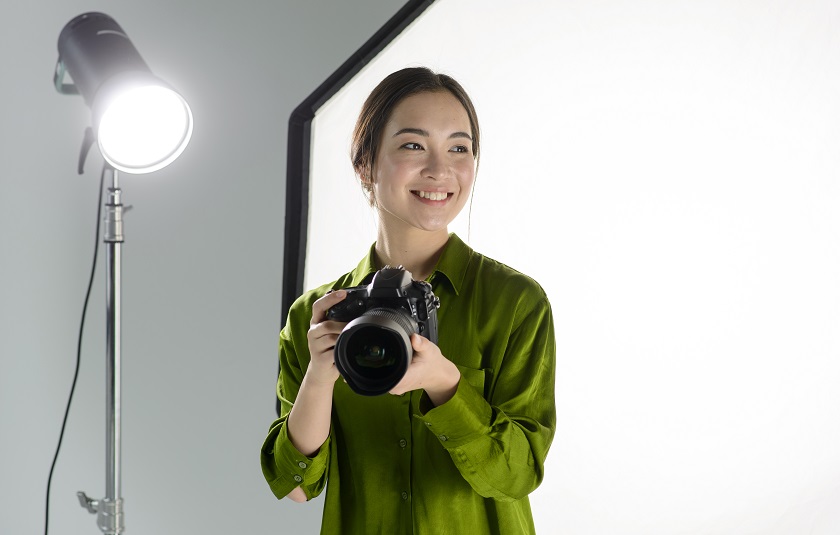
Light in video is not just a matter of bright or dark. Lighting can create emotional nuance: soft light for a warm feel, or high contrast for drama. Well-placed lighting helps strengthen the story while keeping the visual quality professional. Imagine a simple scene wrapped in dramatic light; viewers will feel far more connected to the story being told.
Choosing Camera Angles for Visual Narrative
Different camera angles evoke different feelings in the viewer. A high angle, for example, is often used to portray a character’s vulnerability or helplessness. A low angle, by contrast, can convey power or grandeur. With the right combination, every frame can tell a story without much dialogue. Consistent use of camera angles can also build a distinctive visual style for a brand or production.
Backgrounds That Support the Story
The background is not merely a complementary element; it is part of the narrative. A simple background keeps viewers focused on the character, while a detailed one strengthens the story’s context. High Angle, as an Indonesian production house, understands that the choice of background largely determines whether a video feels natural or artificial. Backgrounds can also serve as symbols, adding implied meaning that deepens the story without having to spell it out verbally.
Camera Movement for Story Dynamics
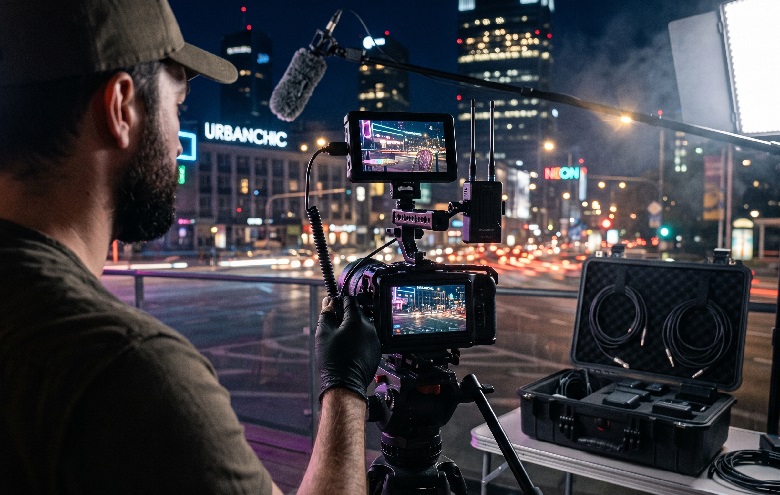
Camera movement plays an important role too. Tracking or panning shots, for example, can create a more dynamic flow. A static camera, meanwhile, gives viewers room to truly take in a character’s expression. All of this is part of the video shooting techniques that breathe life into visual storytelling. What’s more, smooth camera movement can make viewers feel as if they are right there in the scene.
The Role of Editing in Building Emotion
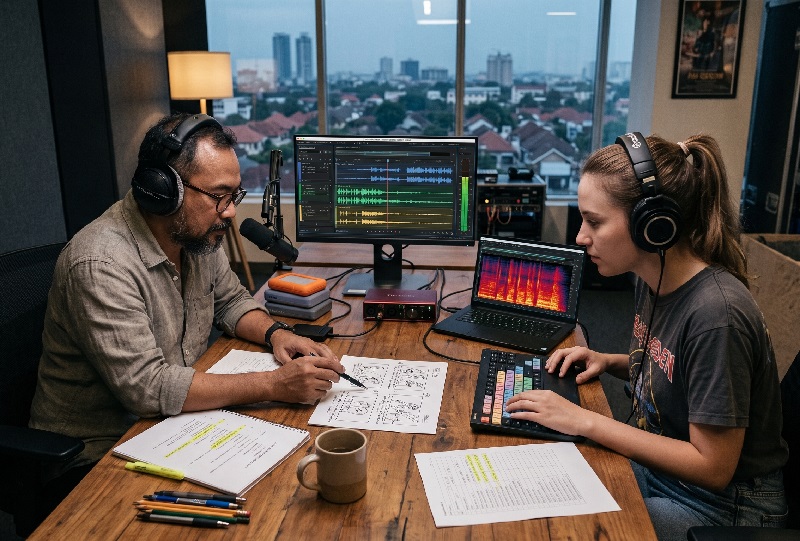
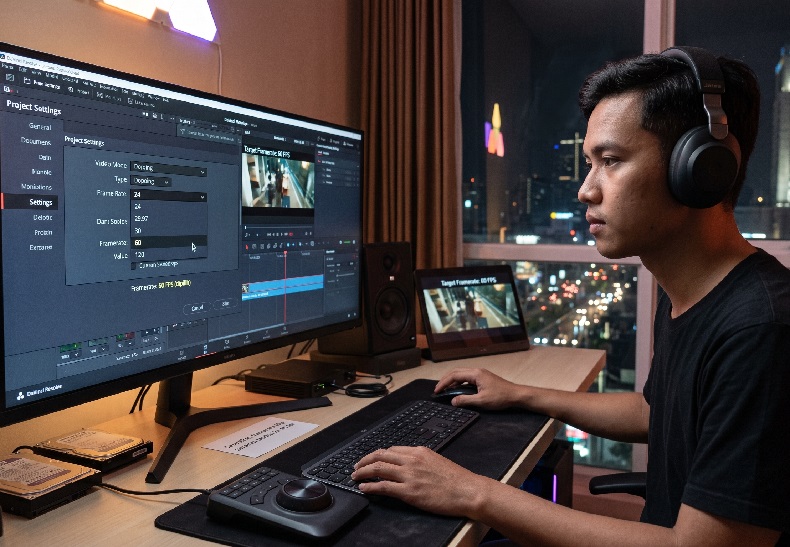
Editing is not just about cutting and joining scenes. It sets the tempo of the story, adds dramatic effect, and reinforces the message. In professional productions such as ad production, the editing process determines whether a video leaves a deep impression on viewers or not. The right transitions, the choice of background music, and the pace of the cuts all have a major impact on how the audience feels.
Bringing Visual Elements Together for Strong Storytelling
Every visual aspect, from lighting and camera angles to movement and editing, complements the others to create a powerful viewing experience. Mastering video shooting techniques allows all of these elements to work in harmony. The resulting storytelling does more than deliver information; it delivers an emotional experience that makes viewers feel part of the story.
Contact us today to create visual work that is not only beautiful to look at but also tells a story and touches the hearts of your audience.