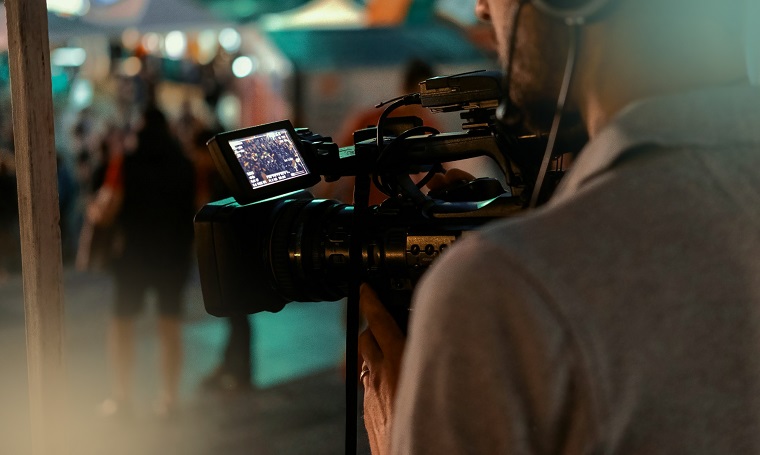
Making a film is not just about the camera, the director, and the actors who appear on screen. Behind the scenes lies a long process that most people never notice. Every small detail in the film production stages can determine whether the work succeeds in captivating audiences or loses its appeal. This article looks at several important stages that are rarely discussed, yet play a major role in the world of filmmaking.
Detailed Planning in the Film Production Stages
Many people see pre-production as simple preparation, when in fact it involves highly complex, detailed planning. In this phase, the creative team has to craft the script carefully, build the storyboard, and even decide on the color tone to be used. Small things like the choice of props or the atmosphere of the set can have a big impact on the final result.
Interestingly, in many film production stages, detailed planning is often treated as trivial. Yet when it is done seriously, this process saves time, energy, and even production costs.
The Role of Communication in a Smooth Film Production
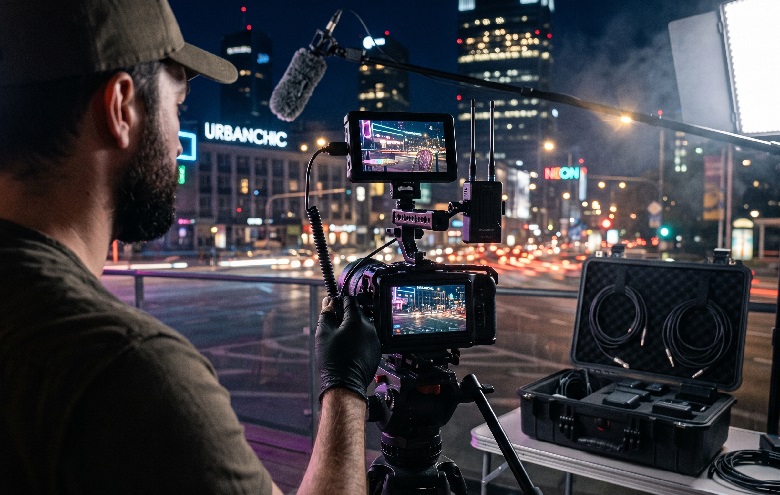
Solid communication between crew and actors is rarely discussed. On set, small points of coordination such as camera movement instructions or the timing of a lighting cue can determine the quality of the footage. When communication breaks down, shots have to be repeated again and again and take far longer than planned.
In the film production stages, communication is not only about technical instructions. It also concerns the comfort of the entire team, which ultimately creates a productive working atmosphere.

The Detail-Heavy Post-Production Stage
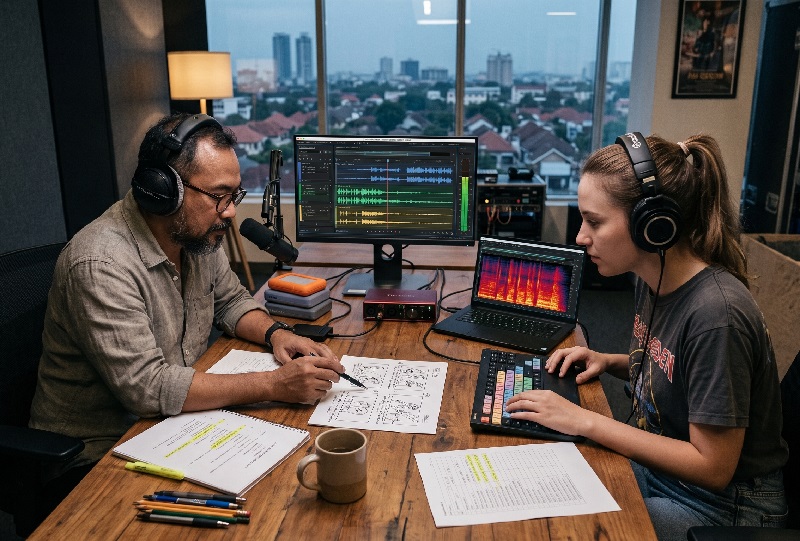
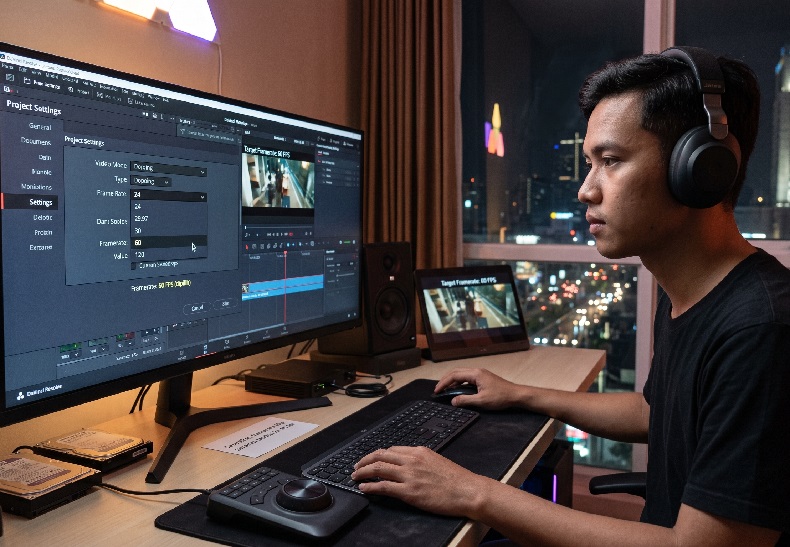
Post-production is often seen as nothing more than editing, but in reality it is much broader. In this phase, the editor works with the director to shape the rhythm of the story, choose smooth transitions, and make sure the flow feels natural. Sound design, color grading, and the addition of visual effects are also part of post-production.
Each of these small elements in the film production stages can deliver a deep cinematic experience for the audience. Without that detailed work, a film can feel flat and lose its emotion.
Why Distribution Is Part of Production
Distribution is often left out of discussions about the film production stages, even though it is a decisive factor. A finished film will never reach its audience without the right distribution strategy. Whether through cinemas, streaming platforms, or film festivals, distribution is the main gateway through which a work meets its audience.
A well-planned distribution strategy can also influence the film’s financial success and open opportunities for creators to produce their next work.
High Angle’s Role in Supporting Production
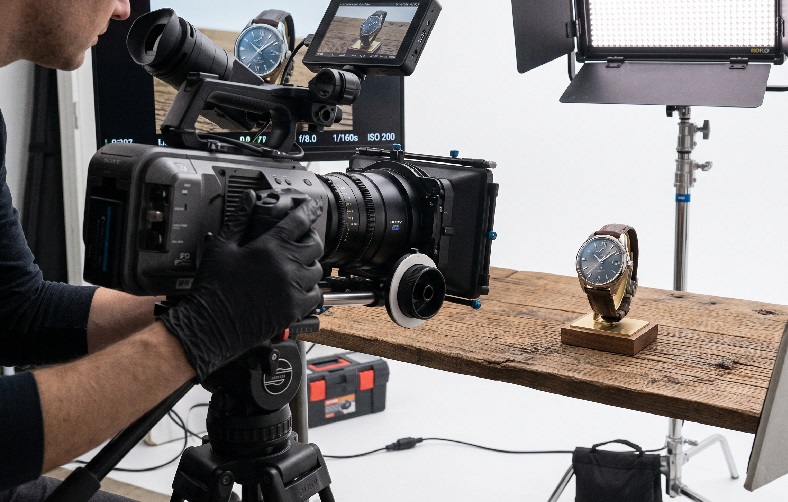
High Angle, as an Indonesian production house, understands the importance of every detail in the production process. With experience across a wide range of projects, the team focuses not only on shooting but also supports clients on the creative and technical aspects that are so often overlooked.
In addition, High Angle helps clients create social media ads, which have become one of the most effective distribution channels for reaching a wide audience today. The combination of technical expertise and an understanding of digital trends makes the team’s role increasingly crucial.
Valuable Lessons From the Production Process
Everyone involved in the film production stages comes to realize that small details often have a big impact. From planning and communication to post-production and distribution, every stage plays a role that cannot be separated from the others.
A film’s success is not determined solely by big stars or a generous budget, but also by how seriously the team pays attention to the stages that are rarely talked about.
Contact us today to gain deeper insight into the world of film production, because every great work is born from small steps carried out with meticulous care.