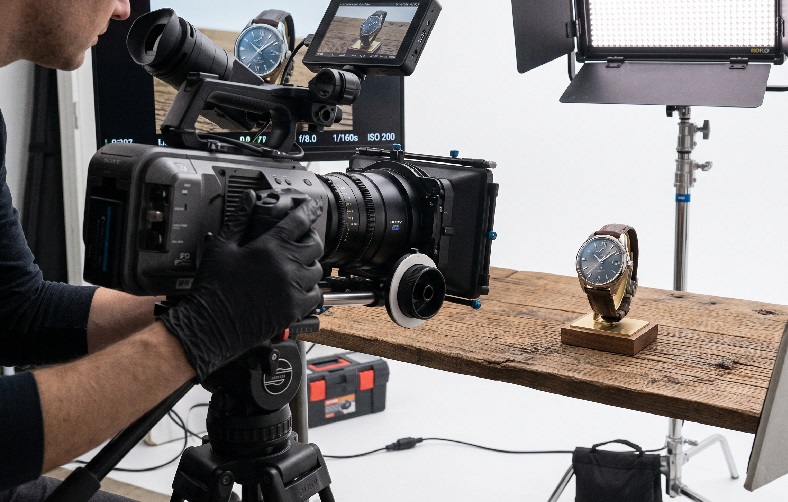
Big budgets often go on formulation, packaging, and market research. Yet the promotional material gets thrown together just before the launch date. The result feels out of balance: the product is convincing, but the way it looks on screen drags it down a class. Having a great product, it turns out, does not automatically earn you the perception it deserves.
Viewers judge far faster than most brand owners expect. A soft image or an off colour immediately shapes a conclusion about quality. Yet the right product shot technique can prevent most of those problems. Repairing an impression that has already formed is always more expensive than preparing properly from the start.
The issue rarely comes down to expensive equipment. It is far more often about small details that were never checked before the camera rolled. The discussion below breaks down exactly where those weak points are.
Why Having a Great Product Is Not Enough on Its Own
The quality of the visual execution is read as the quality of the product. Viewers do not consciously separate the two. A video that looks slapdash makes the product feel less serious. That impression forms before a single line of explanation is heard.
Judgement that happens within seconds
Social media feeds make people scroll extremely fast. The decision to stop or keep going is made almost instantly. The first frame therefore carries the heaviest load. A detail that is wrong at that point is hard for the rest of the video to repair. That is why the opening frame deserves to be reviewed separately before the material is approved.
Small Mistakes That Show Up Instantly on Screen
Close-up shots magnify everything. Including things you never notice when the product is in your hand. Many teams only realise this once the material is reviewed on a large screen.
Flaws that grow when shot close
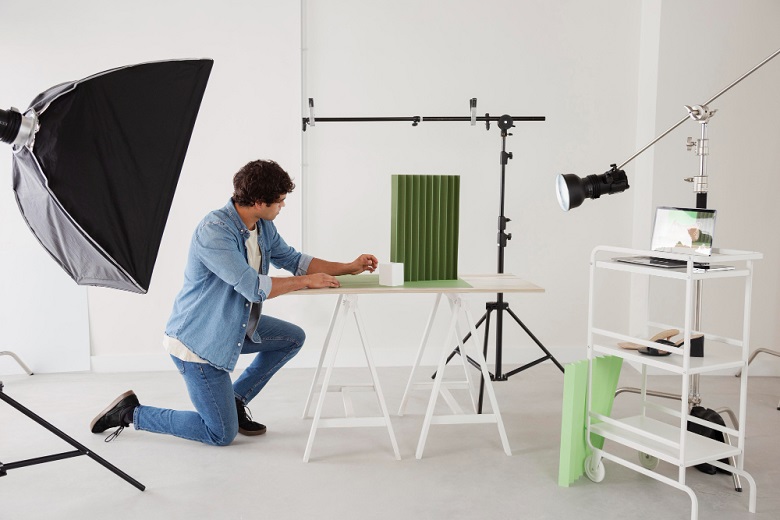
Fingerprints, dust, and fine scratches become glaringly obvious. Slightly dented packaging looks like something unfit for sale. A label that is a few millimetres crooked reads instantly as carelessness. That is why sorting through the product units before the shoot is essential work.
Colours that drift from the original
Brand identity often rests on one signature colour. Incorrect lighting makes that colour shift on screen. Viewers who compare it with the real thing will feel misled. Having the official colour reference on location helps the team check it from the outset.
Scale the viewer cannot read
Close-up images strip away any clue about size. A small bottle can look like a litre container. Viewers who misjudge the size will be disappointed when the item arrives. Including a reference object or a model’s hand solves this problem.
Symptoms Commonly Found in Product Videos
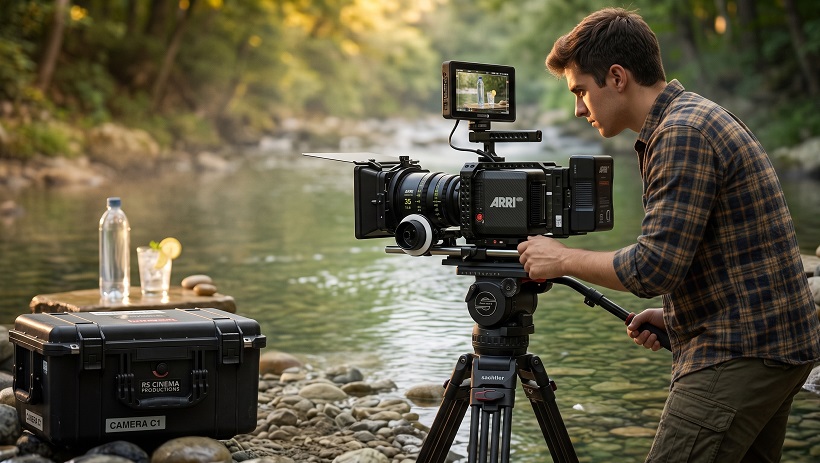
Most complaints repeat the same patterns. Recognising them helps the team fix things before the material goes live.
Symptoms, Causes, and Prevention
| Symptom on screen | Common cause | Prevention |
| Product looks dull | Reflections were never controlled | Use a large diffusion panel |
| Crew shadows in the shot | Lamp and camera positioning | Check the monitor before recording |
| Product size is hard to judge | No point of comparison | Add an object of obvious scale |
| Humming in the audio | Reverberant room | Record the sound separately |
| Appearance changes between cuts | The product was swapped midway | Prepare several identical units |
Preparation that is often dismissed as trivial
The following should make it onto the preparation list:
- cleaning the product and its packaging before it is styled
- providing backup units that are genuinely identical
- grooming the model’s hands if the product is handled directly
All three are cheap, but their effect is plain to see on screen. Food and beverage products demand extra attention because their appearance changes quickly under the lights.
The Line Between Appealing and Misleading
Making a product look appetising is entirely legitimate work. The problem arises when the image promises something that is not real. Viewers who feel disappointed after buying will say so in public. Rules on advertising food and cosmetic products can be checked through BPOM, Indonesia’s food and drug authority.
Keeping the visual promise honest
Portion, texture, and size should stay close to the real thing. The use of substitute materials for technical reasons needs careful consideration. Benefit claims should only appear if they can actually be substantiated. Broken trust is far harder to restore than a delayed sale.
The Order of Preparation Before the Camera Rolls
The following flow reduces the risk of revisions:
- Prepare several product units in the best possible condition.
- Clean the surfaces, then inspect them under bright light.
- Choose the shooting angle that best shows the product’s real shape.
- Match the colour on the monitor against the physical product on location.
- Review the interim results before the set is struck.
The fourth step is the one most often skipped. Checking the colour after the team has gone home means losing the chance to fix it. A well-organised video advertising service team usually makes this check standard procedure.
Documenting the set-up is also worth doing. Photos of the lamp positions make additional shoots easier to match. Those same notes come in handy when the brand launches a new variant in a similar style.
Protecting Brand Image When You Have a Great Product
A promotional video is not merely an accessory to a launch. That material becomes the product’s first face for anyone who has never tried it. Small details such as clean packaging and accurate colour determine the first impression. Preparing them calmly is far cheaper than repairing a perception that has already taken hold.
Every product category has its own technical challenges. High Angle regularly helps brands build preparation that suits the character of their product. Experience as a production house in Jakarta means requirements can be mapped out from the earliest stage.
For brand owners, a short discussion before the shoot often matters more than adding to the budget. Choose a video advertising service or a production house in Jakarta willing to check the details. That habit is what lets a product appear in the class it belongs to.
Frequently Asked Questions
- Why does the product look different in the video than in real life?
Because lighting and camera settings can shift colour if they are not matched from the outset. - Is it necessary to prepare more than one product unit?
Yes, so the look stays consistent if a unit gets damaged or dirty during the shoot. - How far can you go in making a product look better?
As far as the image still represents the real condition the buyer will receive.