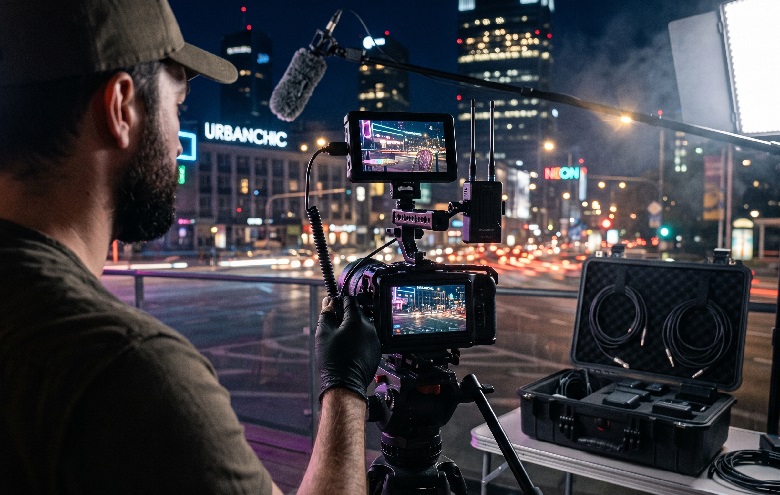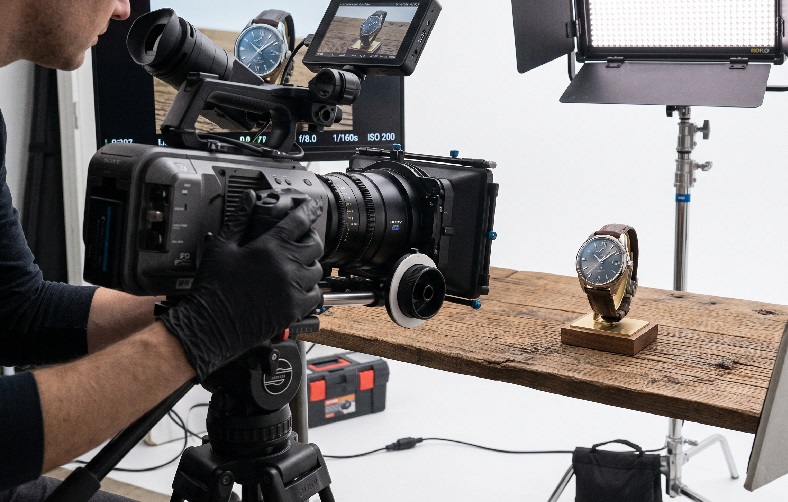
Recording a commercial video involves much more than simply pressing the record button. Many advertisers overlook the importance of camera movement during production, resulting in static, uninspiring visuals that fail to engage viewers.
Imagine your audience scrolling past your advertisement because the visuals feel flat and repetitive. Meanwhile, competitors with dynamic, cinematic videos capture attention and win over potential customers.
Understanding the role of camera movement is essential for creating compelling commercial videos. At High Angle, we help brands produce visually engaging content that elevates their marketing campaigns.
1. Why Camera Movement Matters
The Fundamentals of Dynamic Cinematography
Camera movement plays a vital role in shaping the emotional experience of viewers. It is one of the core principles of modern commercial cinematography, helping transform ordinary scenes into engaging visual stories.
Purposeful camera movement can:
- Guide the viewer’s attention.
- Add energy and emotion.
- Improve visual storytelling.
- Create a more cinematic experience.
- Strengthen your brand message.
Rather than keeping the camera static, every movement should support the story and reinforce the campaign’s objective.
Educating your creative team about these techniques helps improve production quality while keeping audiences engaged throughout the video.
Why Businesses Should Use Dynamic Camera Techniques
Today’s audiences consume digital content faster than ever. Videos with static visuals often struggle to maintain attention.
Dynamic camera movement creates a more immersive viewing experience, helping businesses communicate messages more effectively while building stronger emotional connections with potential customers.
Professional cinematography also enhances brand perception and differentiates your content from competitors.
Benefits of Professional Camera Movement
Strategic camera movement offers several advantages:
- Higher production value.
- More engaging visual storytelling.
- Improved audience retention.
- Stronger emotional impact.
- Better overall campaign performance.
Well-planned movement creates premium-looking commercials that leave lasting impressions.
2. Planning Effective Camera Movement
Building a Visual Production Plan
Successful camera movement begins long before filming starts.
A typical production workflow includes:
- Reviewing the commercial concept.
- Planning camera movement in the storyboard.
- Selecting appropriate stabilization equipment.
- Coordinating movement with the director and camera operator.
- Testing each shot before principal photography.
Proper preparation reduces production issues while ensuring smooth execution during filming.
Common Camera Movement Techniques
Each movement creates a different emotional effect.
| Camera Movement | Emotional Impact | Best Use |
|---|---|---|
| Pan | Reveals space and surroundings | Scene transitions |
| Tracking Shot | Directs audience attention | Following the main subject |
| Handheld | Creates intensity and realism | Fast-paced action scenes |
Choosing the right technique depends on your story, brand personality, and campaign objectives.
Common Mistakes to Avoid
Many beginner videographers overuse camera movement in an attempt to create a cinematic look.
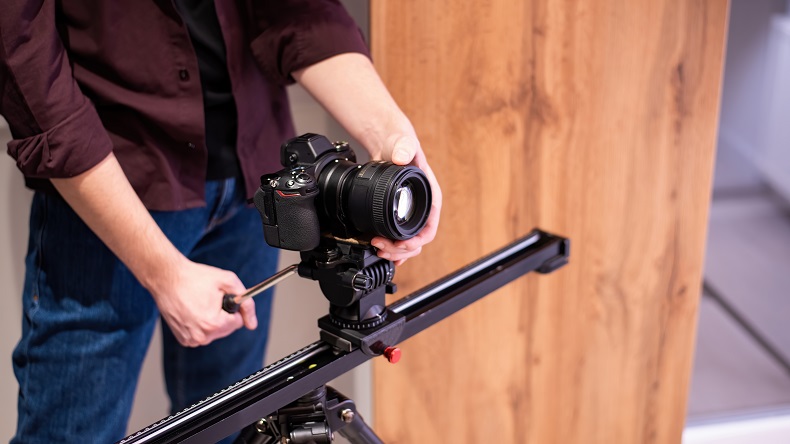
Excessive or unstable movement can distract viewers and weaken your message. Using stabilizers such as tripods, sliders, or gimbals helps produce smoother, more professional footage.
Every camera movement should serve a storytelling purpose rather than simply adding visual motion.
3. Maximizing Campaign Performance
Work with a Professional Digital Content Production Team
Once the visual concept has been developed, experienced production professionals can execute camera movements with precision.
Professional digital content production ensures every shot aligns with your creative vision while maintaining high technical standards throughout the project.
The result is a polished commercial that captures attention and strengthens your brand image.
Create More Effective Commercial Videos
Professional commercial video production combines creative storytelling, dynamic cinematography, and technical expertise.
Thoughtful camera movement enhances visual flow, improves audience engagement, and increases the effectiveness of marketing campaigns across digital platforms.
Investing in professional production helps businesses stand out in competitive markets.
Conclusion
Understanding the role of camera movement is essential for creating commercial videos that are visually engaging and emotionally impactful.
From planning and filming to final production, every camera movement should contribute to the story while supporting your marketing objectives.
At High Angle, we produce professional commercial videos that combine cinematic techniques with strategic storytelling to help brands achieve stronger marketing results.
Contact our team today and bring your next commercial campaign to life.
Frequently Asked Questions (FAQ)
Why is camera movement important in commercial videos?
Camera movement guides the viewer’s attention, creates emotional engagement, and makes commercials feel more dynamic and cinematic.
What equipment helps create smooth camera movement?
Professional productions commonly use tripods, gimbals, sliders, dollies, and stabilizers to achieve steady, controlled camera motion.
Does more camera movement always make a better commercial?
No. Every movement should have a clear storytelling purpose. Excessive camera motion can distract viewers and reduce the effectiveness of the message.