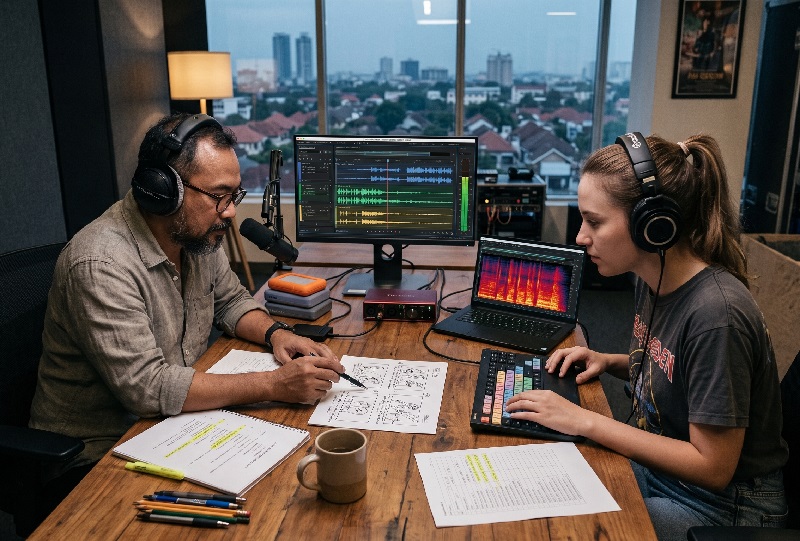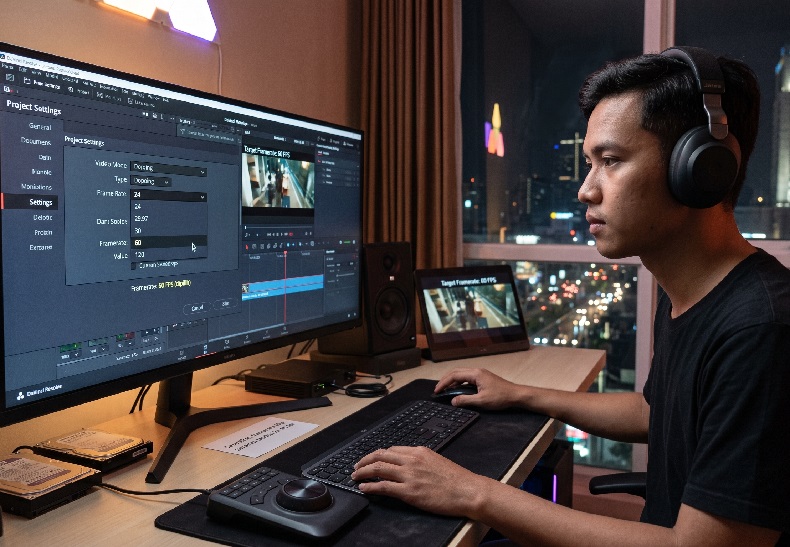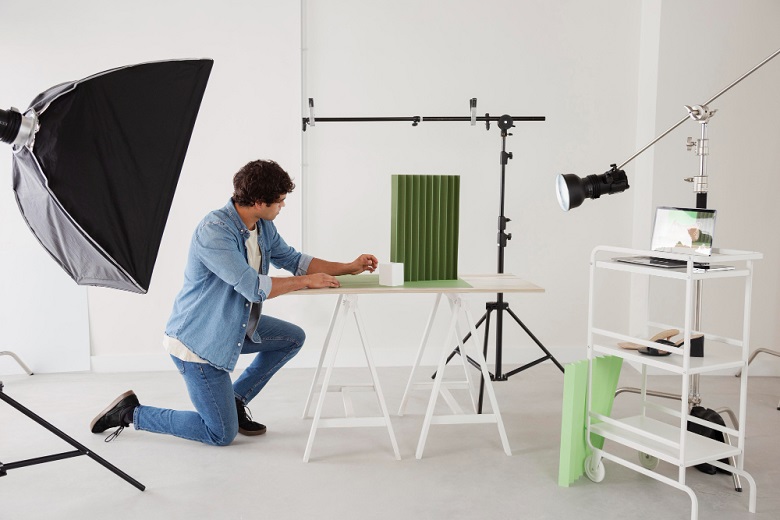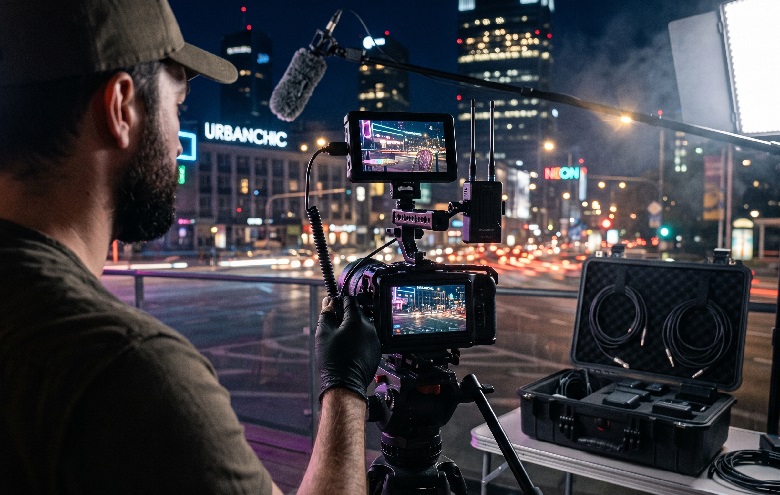
Many brands pour large sums into commercial video, yet the result still falls flat. Revisions pile up, shooting schedules slip, and the core message gets lost along the way. The root cause is rarely the camera or the editor. In many cases, pre-production planning determines a project’s success long before the shoot begins.
When the brief is half-baked, the crew on set is forced into snap decisions. Locations change at the last minute, the talent does not match the brand’s character, and shot durations drift from the plan. This drives up production costs while delaying the campaign launch. The solution is not a bigger budget but working with a professional video production team that completes the planning up front.
Pre-Production Planning Determines Success Through Details That Often Get Overlooked
Some clients assume pre-production is just about schedules and shooting locations. In fact, this stage covers message mapping, audience research, and technical run-throughs on location. A small mismatch here can snowball once production is underway. The effect shows directly in the quality of the commercial video the public sees.
Case Study: Repeated Revisions Caused by an Unclear Brief
A consumer goods brand once requested five rounds of revisions for a single digital ad. On closer inspection, the root cause was an initial brief that was far too generic. The creative team and the client had pictured different visuals from day one. Once the video production planning process was fixed, revisions dropped dramatically to a single round.
That improvement also cut production time by nearly a third of the original schedule. The creative team finally had time to refine visual details instead of merely chasing deadlines. The client felt more at ease too, because the creative direction had been agreed up front rather than decided on the fly on set.
Essential Elements to Finalize Before the Camera Rolls
The planning stage of a commercial video should ideally settle several things before shoot day. Neglecting even one element can spill over into the others. Here are the areas that most often cause trouble when missed.
- Location fit with the visual concept, along with filming permits
- Talent fit with the brand’s character, plus wardrobe readiness
Location Scouting and the Crew’s Technical Readiness
Location scouting is about more than finding a place that looks good on camera. The production team also needs to confirm power access, natural lighting, and official permission from the venue. The technical crew then prepares backup equipment for problems on shoot day. Preparation this detailed is what separates polished digital content production from rushed work.
Team Coordination and Budget Estimates from the Outset
A realistic budget can only be drawn up once every technical requirement is mapped out. The director, DOP, and art director need to align their vision before figures are finalized for the client. This cross-role coordination prevents cost overruns midway. Estimates that miss the mark usually trace back to a rushed planning stage.
The Data That Proves Video Planning Is Non-Negotiable
Annual research from Wyzowl shows that most marketers report positive results from video campaigns. But that performance depends heavily on how well-developed the strategy behind it is. Unplanned video tends to struggle to deliver measurable results for marketing teams.
The same research also recorded a decline in satisfaction with results compared to the previous year. This signals that execution quality is increasingly decisive for the final outcome. The data underscores how pre-production planning determines the success of an ad’s real-world performance, rather than being a production formality.
Production Outcomes With and Without Thorough Pre-Production
| Aspect | Thorough Pre-Production | Minimal Pre-Production |
| Number of revisions | 1-2 rounds | More than 4 rounds |
| Schedule adherence | On timeline | Frequent delays |
| Brand message consistency | Maintained | Drifts from the brief |
This data is also closely tied to running time. Ad duration that is not planned during pre-production often leaves the core message cut off midway.
How High Angle Turns Pre-Production Planning into Client Project Success
High Angle treats the planning stage as the foundation of every project, not an administrative formality. The process is designed so clients never have to repeat their direction mid-production. Here are the steps typically carried out before shoot day.
- In-depth brief discussion to align the client’s vision with the creative team
- Storyboard and shot list development tailored to the target audience
- Technical run-throughs of the location, lighting, and talent requirements
- Final schedule confirmation before the camera starts recording
A workflow like this makes digital content production more efficient from day one. Clients also get a more realistic picture of cost and timing from the first discussion.
Designing a Commercial Video That Works from Day One
The quality of a commercial is rarely determined by equipment alone. Readiness in the early stages is what keeps the entire process running smoothly to the final result. Brands that want consistent results should set aside enough planning time before the shoot. High Angle is happy to help teams that want to tidy up this workflow from the earliest stage.
If your brand is preparing its next commercial, it is worth reviewing the planning process you have followed so far. Small improvements at the early stage often have a major impact on the final video.
This consistency also matters for long-term campaigns, not just a single project. Brands with a well-organized planning workflow usually find it easier to maintain their visual identity in every subsequent video. Ultimately, this builds audience trust in consistently high-quality content.
Questions About the Pre-Production Stage
1. How long should the pre-production stage ideally take for a commercial video?
Typically two to four weeks, depending on the project’s scale and complexity.
2. Is pre-production still important for short-form videos?
Yes. A short running time actually demands a more carefully planned and concise message.
3. Who plays the biggest role in the pre-production stage?
The producer and director hold the leading roles, supported by the research and production design teams.