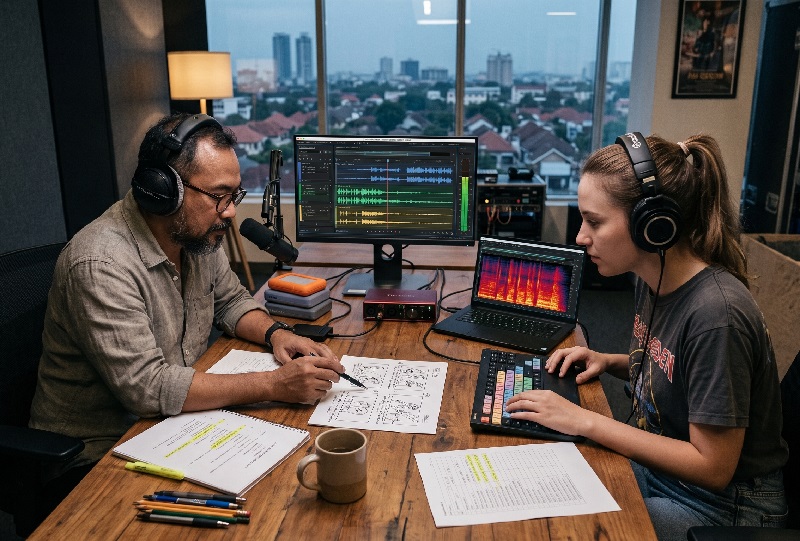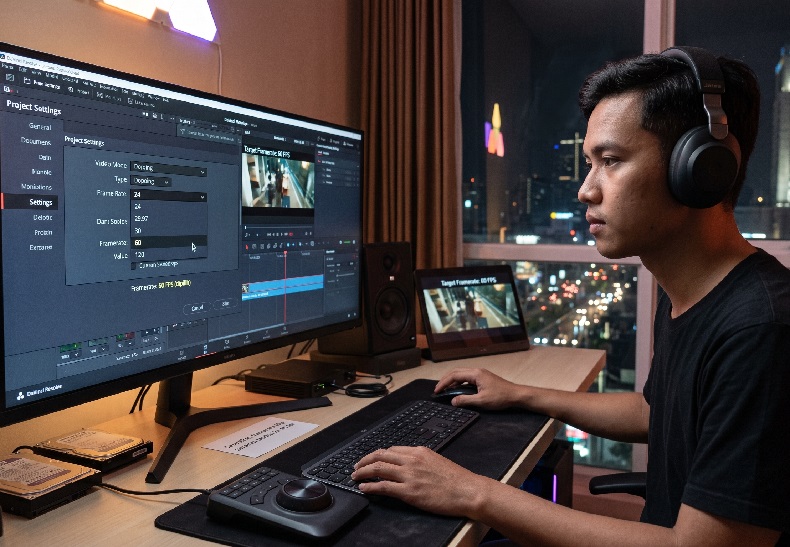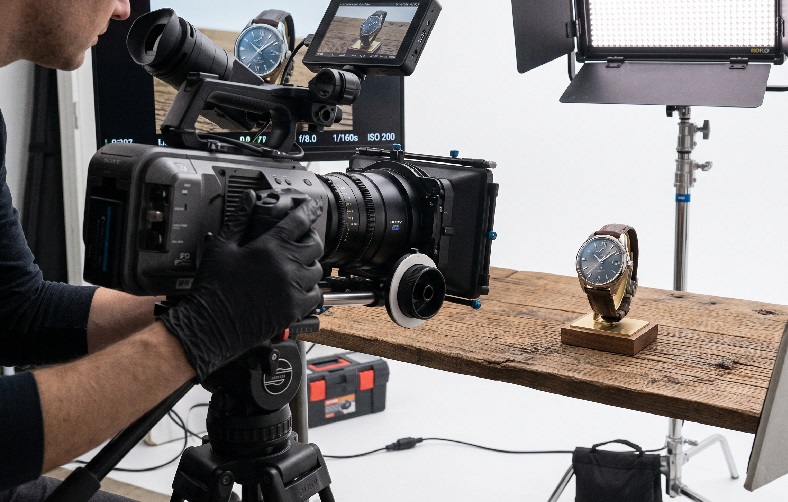
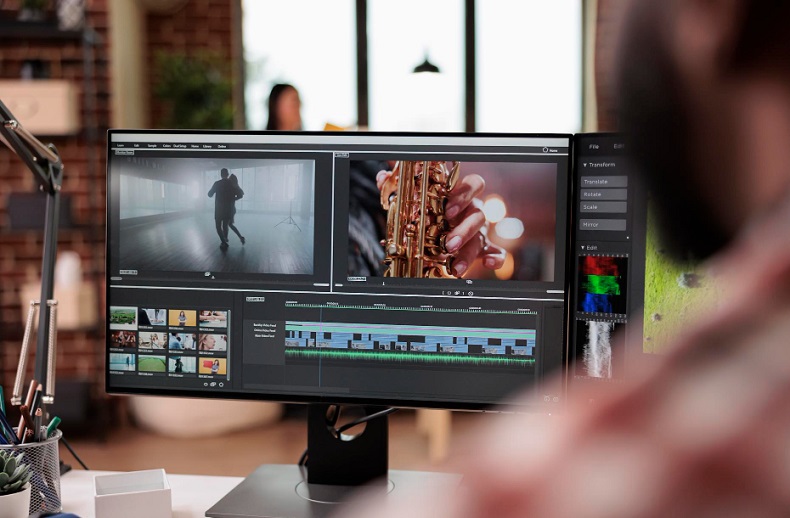
Many in-house teams get frustrated when a corporate video project slips far past its original schedule. Yet the delay is rarely caused by the quality of the shoot or the edit. Messy corporate video production usually stems from a revision process that was never structured from the start. It is not a question of creativity, but of how the workflow between the team and the client is set up.
Piled-up revisions are not just a matter of time; they also quietly eat into the production budget. The more stakeholders who weigh in midway through, the longer the revision chain becomes. Before discussing solutions, it helps to first understand the role of video branding in building a consistent message from the outset. That clarity of message is an important foundation before moving on to the production workflow.
This article offers a complete guide to corporate video production and how to make its workflow more efficient. You will find the points that most often trigger excessive revisions. It also includes industry data on the main causes of video projects running late. With the right structure, a video project can be completed faster without sacrificing quality.
Why Corporate Video Production So Often Falls Behind Schedule
Feedback Scattered Across Many Channels
Revision notes often arrive through separate emails, chats, and voice messages. The editor then struggles to consolidate all those notes into one clear list of fixes. Worse still, input from one person may contradict input from another. Feedback chaos of this kind is one of the main reasons production schedules slip.
New Stakeholders Appearing Midway Through the Process
The problem often grows when a new party starts giving input after the first round of revisions is done. Decisions that were already agreed are reopened for debate. This can push the number of revisions to three or four times the original plan. That is why defining who has approval authority from the outset is such an important step.
The Points Most Likely to Make Revisions Balloon
Data That Reveals the Real Root Cause
Video production industry research found that 67 percent of unplanned revisions stem from unclear feedback. This figure shows the problem is rarely about the production team’s creative quality. It is the communication and approval process that is most often the culprit. Fixing this process usually has a bigger impact than adding more hours for the editing team.
The Budget Impact When There Is No Proof of Approval
Beyond time, the absence of a clear approval record also frequently triggers disputes over additional costs. The client and the production team may disagree about who approved a particular change. Tidy approval documentation helps avoid arguments like these later on. This simple record turns out to have a big impact on smooth, long-term working relationships.
Summary of the Causes of Excessive Revisions and Their Solutions
| Cause | Impact | Quick Solution |
| Unstructured feedback | Repeated revisions with no clear direction | Consolidate input into a single document |
| New stakeholders midway through | Revisions jump 3-4x | Lock the approver list from the start |
| No proof of approval | Disputes over additional costs | Document every approval |
The Pre-Production Foundation That Is Often Underestimated

A Storyboard Approved Before the Camera Rolls
Storyboard approval before shooting is a step that is often skipped to save time. Yet story problems missed at this stage usually only come to light after the shoot is finished. Fixing them in the edit is far more expensive than fixing them on paper. Projects that skip this step almost always end up back at this point, only at a higher cost.
Vertical and Horizontal Formats Planned from the Start
The need for vertical formats for social media should be considered at the planning stage, not as an afterthought. Framing, composition, and pacing differ significantly between 16:9, 9:16, and 1:1 formats. Planning this early reduces the need for reshoots or reframing at the final stage. This simple habit saves a considerable amount of editing time.
Efficient Corporate Video Production Starts with Clear Feedback Rules
Limit the Number of Revision Rounds in the Contract
A healthy workflow usually limits revisions to two structured rounds after the first draft. Additional revisions beyond that should be treated as a change in scope. This limit protects both the schedule and the budget while safeguarding the quality of the final result. The rule should ideally be agreed at the start, not negotiated while the project is already under way.
Steps to build a tidier feedback flow:
- Appoint one main point of contact to receive input from the client
- Gather all revision notes into one document before sending them to the production team
- Limit the number of revision rounds and state it in the contract from the start
- Document every approval in writing to avoid disputes
When to Bring In a Professional Production Team
Restructuring an internal workflow takes time, especially if the team is not used to a new system. Working with an ad production provider that already has a standardized system can speed up the process. An experienced video advertising service usually has tested approval templates and revision flows in place. You do not have to build everything from scratch without clear direction.
Building a Workflow That Gets Every Video Project Finished on Time
Efficient corporate video production is not about the crew working faster, but about a tidier process. An approved storyboard, planned formats, and clear feedback rules are the three main foundations. The data shows that most delays come from the communication process, not the team’s creative quality. Fixing this usually delivers a bigger impact than simply adding to the production budget.
High Angle is used to handling corporate video projects with a working system proven across a wide range of clients. As an ad production provider that understands the importance of a tidy feedback flow, we help projects finish on schedule. Our video advertising service includes guidance from storyboard through to final approval. Simply tell us what your project needs, and our team will help set up the workflow.
Common Questions About the Video Production Workflow
1. How many revision rounds are reasonable for one video project?
Generally, two structured revision rounds after the first draft is ideal.
2. Is a storyboard always necessary for corporate video?
Highly recommended, because it prevents story problems that would otherwise only surface after the shoot.
3. Why is approval documentation important in video production?
It prevents disputes over costs and responsibilities later on.